Gloucester Terrace Rug Care for W2 Georgian Homes
Posted on 06/05/2026
Rugs in a W2 Georgian home are never just "soft furnishings". They soften echoing rooms, protect old floorboards, and pull a whole interior together in a way that feels quietly elegant. But they also collect dust, soot, pollen, food crumbs, and the odd splash of tea faster than most people realise. If you live on Gloucester Terrace or nearby in Paddington, Gloucester Terrace Rug Care for W2 Georgian Homes is less of a luxury than a sensible routine. It helps preserve fibres, keep colours looking alive, and avoid the kind of wear that creeps up on you. Truth be told, Georgian houses have their own quirks: draughts, high footfall in reception rooms, and changes in humidity that can be a bit unkind to rugs.
This guide walks through what good rug care looks like in these homes, how it works, where mistakes happen, and how to decide whether a light refresh, deep clean, or specialist treatment makes sense. You'll also find practical checklists, a comparison table, and a few local notes that make the advice more useful than the usual generic "vacuum regularly" advice. If you want a broader look at the surrounding service area, you may also find our carpet cleaning in Paddington page helpful, along with the wider services overview.
Why Gloucester Terrace Rug Care for W2 Georgian Homes Matters
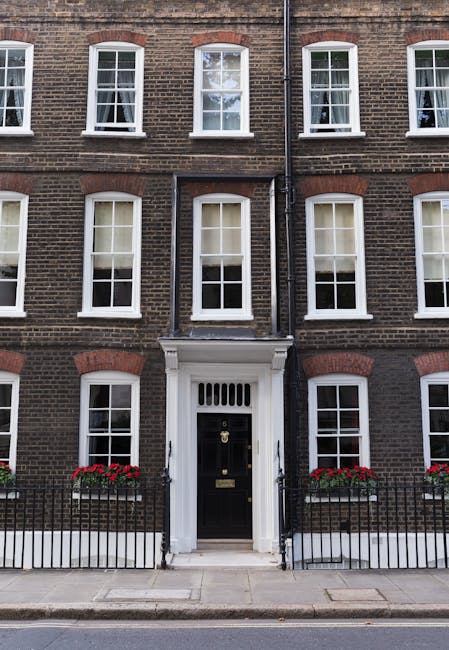
Georgian homes have a particular character: tall rooms, original features, timber floors, sash windows, and a sense of space that can feel both grand and slightly draughty on a cold London morning. Rugs sit right in the middle of all that. They take the practical pressure off hard floors while also carrying a lot of the room's visual weight. That means their condition changes how the whole place feels.
In W2, especially around Gloucester Terrace, rugs often sit in rooms that are used differently from modern flats. One room might be a formal sitting room used mainly at weekends; another might be a busy family space with shoes, pets, and the occasional spill. In those settings, dirt does not always look dramatic. It settles slowly, working down into the pile. By the time the rug looks dull, it may already be holding grit that rubs against fibres every time someone walks over it.
There's also the issue of age and material. Many Georgian homes feature antique or semi-antique rugs, wool pieces, Persian styles, or flatweaves that are sensitive to over-wetting. Some rugs have natural dyes that can bleed if treated carelessly. Others have backing or edging that won't love aggressive chemicals. So, rug care here is not just a cleaning task. It is a preservation task.
If you want to understand the local housing context a bit more, our background pieces like what it's like to live in Paddington and the charm of Paddington in London are a good read. They give useful colour around why properties in this part of W2 tend to need careful, considered maintenance rather than quick fixes.
Good rug care in a Georgian home is not about making everything look brand new. It is about keeping the rug healthy, balanced, and beautiful for as long as possible.
How Gloucester Terrace Rug Care for W2 Georgian Homes Works
At a practical level, rug care works in stages. First comes inspection. Then dust removal, spot treatment, cleaning, controlled drying, and finally fibre finishing or grooming where needed. That may sound straightforward, but the small choices in each stage matter a lot.
A proper assessment looks at the rug's fibre type, construction, age, pile height, dye stability, previous repairs, and the type of soiling present. A wool rug in a formal drawing room, for instance, behaves very differently from a silk-blend accent rug or a handwoven runner in a hallway. The cleaning method should follow the rug, not the other way around. Seems obvious, but it's where many problems begin.
For many homes, especially in residential Georgian properties, a low-moisture or controlled wet-clean approach is used after dry soil removal. That helps loosen embedded dirt without saturating the fibres. For delicate pieces, more manual work may be better than a standard machine process. A reputable cleaner will also test for colourfastness before going near the whole rug. That little test patch matters more than people think.
Here's the basic flow most skilled rug care follows:
- Initial inspection to identify fibre, condition, damage, stains, and dye behaviour.
- Dry soil removal using vacuuming, dust extraction, or gentle beating where suitable.
- Spot and stain assessment to decide what can be safely treated.
- Targeted cleaning using methods matched to the rug's material and condition.
- Rinse or residue removal if needed, so the fibres do not feel sticky later.
- Controlled drying to avoid odours, browning, or backing damage.
- Final finishing such as grooming, edge correction, or pile alignment.
If you are comparing services, the details matter. Our pricing and quotes page explains how quotations are usually shaped by rug size, material, soil level, and access. And if you want to check the kind of care standards a provider works to, the insurance and safety page is worth a look too.
Key Benefits and Practical Advantages
Rug care is one of those jobs where the benefits show up slowly, and then all at once. The room feels cleaner. The colours look less tired. Dust stops building quite so quickly. And the rug stops shedding little hints that it has been neglected for a while. Small win, but still a win.
- Better appearance: Dirt removal restores depth in the pattern and lifts flattened fibres.
- Longer rug life: Removing grit reduces abrasion, which helps preserve the pile.
- Improved indoor comfort: Cleaner rugs can reduce the musty feeling that sometimes builds up in older homes.
- Cleaner air in the room: Rugs can trap dust and allergens, especially in busy households.
- Protection for heritage interiors: Gentle cleaning supports the style and integrity of period rooms.
- Odour control: Useful where pets, food smells, or seasonal damp have settled into fibres.
In Georgian homes, the advantage is often aesthetic as much as practical. A well-kept rug grounds antique furniture and painted walls in a way that feels intentional. A dirty one, on the other hand, can make an otherwise beautiful room look oddly flat. It's a strange thing, but true.
There's also a maintenance benefit. Regular care makes future cleaning easier, because embedded grit is kept under control. That means less intensive treatment later, and fewer surprises when you move a sofa or roll a rug up for seasonal storage.
Who This Is For and When It Makes Sense
This kind of rug care makes sense for a fairly wide group of people, but especially for homeowners and tenants in period properties who want to keep their interiors looking composed without overdoing it.
You may need it if:
- you own a wool, silk, Persian, Oriental, or handwoven rug;
- your home has original Georgian features and you want cleaning that respects them;
- the rug sits in a high-traffic room such as a hallway or living room;
- you notice dullness, flattened pile, or a slight lingering odour;
- you have pets, children, or regular visitors coming through;
- you are preparing to sell, let, or refresh the property;
- you have recently had renovation work and fine dust has settled everywhere. Yes, everywhere.
It is also relevant if you manage a property in W2 and want to keep presentation high between tenancies or viewings. If that sounds familiar, the broader support offered through end of tenancy cleaning in Paddington and house cleaning services may be useful alongside specialist rug work.
When does it make sense to act? Ideally before stains become set or odours become obvious. But even if the rug already looks a bit tired, it may still respond well to a careful treatment. The main thing is not to leave it so long that the fibres start looking permanently crushed or the backing starts to degrade.
Step-by-Step Guidance
If you want to handle basic rug maintenance well between professional cleans, this is the practical version. Nothing flashy. Just the stuff that works.
1. Identify the rug properly
Check the label if there is one, but do not rely on it alone. Look at fibre type, construction, and any signs of hand-knotting, fringe wear, or dye irregularity. If you are not sure, treat it as delicate until proven otherwise.
2. Remove loose soil first
Vacuum both sides where appropriate, using a suction setting that will not catch the fringe. For heavier rugs, lift and vacuum underneath as well. Dirt often hides at the edges and corners, which is a bit rude, really.
3. Test the dye stability
Use a very small amount of cleaning solution on an inconspicuous area. If colours transfer, stop and choose a safer method. This is especially important for older rugs with natural dyes.
4. Deal with spots carefully
Blot spills rather than rubbing them in. Use a neutral, fibre-appropriate spot treatment. Never flood a stain and hope for the best. That usually creates a bigger problem than the original tea spill, which is saying something in London.
5. Use the right cleaning method
For robust wool rugs, controlled wet cleaning may be suitable. For delicate pieces, dry compound or specialist hand cleaning may be better. The right answer depends on the rug, not the room's urgency.
6. Dry thoroughly
After cleaning, drying needs to be thorough and even. That means air movement, safe positioning, and no trapped moisture underneath. Damp that lingers too long can lead to odour, browning, or texture changes.
7. Finish and protect
Once dry, groom the pile if needed and consider a rug pad. A pad can stop slipping, reduce wear, and add a bit of cushioning. In a Georgian home with hard floors, that extra layer makes sense.
If you are researching local service support, our upholstery cleaning in Paddington page is useful for matching rug care with sofa and chair maintenance, which often go hand in hand in period living rooms.
Expert Tips for Better Results
A few small habits make a bigger difference than people expect. Not dramatic, just consistent.
- Rotate rugs every few months if the light hits one side more strongly or foot traffic is uneven.
- Use a quality rug underlay to reduce movement and fibre wear.
- Vacuum gently but often instead of waiting for visible dirt.
- Keep shoes off in the main sitting room where possible. Georgian floors and outdoor grit are not friends.
- Blot spills immediately and work from the outside of the stain inward.
- Store rugs properly if you need to roll them away: clean first, then wrap in breathable material.
- Watch for humidity changes in rooms with little ventilation. Older properties can shift quite quickly between dry and damp.
One useful habit, especially in W2 terraces, is to do a monthly "edge and corner check". Lift the rug slightly, look for dust lines, and feel for any damp or crunching grit underneath. It takes two minutes and can save a lot of bother later.
If you want an idea of how local living patterns shape maintenance needs, our blog post on trusted carpet cleaning near Paddington Station also gives a sense of the everyday wear these central London homes experience.

Common Mistakes to Avoid
Most rug damage does not happen in one dramatic event. It comes from a series of small missteps. A little too much water here, the wrong detergent there, a rushed drying job, and suddenly the rug looks older than it should.
- Using too much water: Over-wetting can cause browning, dye migration, or backing damage.
- Scrubbing stains hard: That pushes soil deeper and can distort the pile.
- Applying generic carpet shampoo: Carpet products are not always suitable for rugs, especially delicate ones.
- Ignoring the underside: Dust and debris often sit beneath the rug and continue to abrade fibres.
- Skipping a dye test: This is the classic "I'll just try it quickly" mistake. Usually regretted.
- Drying too slowly: Slow drying can leave odours or create uneven appearance.
- Waiting until the rug looks terrible: Preventive care is always easier than rescue work.
There is one more subtle mistake: assuming every rug needs the same treatment. It doesn't. A washable flatweave is not a hand-knotted antique. A hallway runner is not a drawing-room showpiece. The method should follow the object. Simple idea, but important.
Tools, Resources and Recommendations
You do not need a warehouse of gear to care for a rug well. A few sensible tools go a long way.
| Tool or Resource | Why It Helps | Best For |
|---|---|---|
| Adjustable suction vacuum | Removes grit without pulling too aggressively on fibres | Weekly or fortnightly maintenance |
| Soft brush or upholstery attachment | Helps loosen surface dust on tougher weaves | Flatweaves and sturdier wool rugs |
| White microfibre cloths | Useful for blotting spills without colour transfer | Spot treatment |
| Rug underlay | Reduces movement and wear on hard floors | Most rugs in Georgian homes |
| Breathable storage wrap | Protects rugs during storage without trapping moisture | Seasonal storage |
| Professional inspection | Identifies fibre risks and safer methods | Antique, silk, or valuable rugs |
For homeowners comparing service options, the about us page can help you understand the approach and working style behind the service, while the health and safety policy offers reassurance around site conduct and care. If you like to read before you book, that stuff matters.
And yes, a proper quote request helps. Rugs are one of those jobs where size alone tells you very little.
Law, Compliance, Standards, or Best Practice
Rug care itself is not heavily regulated in the way some trades are, but there are still important best-practice considerations. A reputable provider should be able to explain how they handle safety, liability, and suitable cleaning methods, especially for delicate or high-value items.
In a London home, that usually means:
- clear communication about what can and cannot be cleaned safely;
- appropriate insurance for work carried out in your property;
- careful handling of electrical equipment and wet processes;
- respect for resident privacy and property access;
- transparent terms and conditions before work begins.
If you want to review the practical side of booking and payment, you can check the payment and security page and the terms and conditions. For any questions about how concerns are handled, the complaints procedure is also available.
From a best-practice perspective, the main standard is simple: use the least aggressive method that gets the job done properly. That is especially true in Georgian homes, where materials, age, and finish can all be more sensitive than they first appear.
Options, Methods, or Comparison Table
Different rugs need different approaches. Here is a simple comparison to help you think clearly before booking or trying anything at home.
| Method | Best Use | Strengths | Watch Outs |
|---|---|---|---|
| Regular vacuum maintenance | Routine care for most rugs | Prevents soil build-up, easy to maintain | Won't remove deep stains or odours |
| Hand cleaning | Delicate, antique, or high-value rugs | More controlled, safer for fragile fibres | Slower and more labour-intensive |
| Controlled wet cleaning | Durable wool or synthetic rugs | Effective on embedded dirt and general soiling | Needs careful drying and testing |
| Dry compound cleaning | Rugs sensitive to moisture | Low moisture, lower risk of backing issues | May be less effective on heavy stains |
| Professional restoration-level treatment | Serious staining, damage, or antique pieces | Best chance of safe recovery | Usually more involved and not always necessary |
Choosing the method is not about finding the strongest clean. It is about finding the safest effective clean. Those are not always the same thing. In fact, often they aren't.
Case Study or Real-World Example
A typical Gloucester Terrace scenario goes like this. A homeowner has a large wool rug in a first-floor reception room. It looks fine at a glance, but the centre has gone slightly dull, and the edge nearest the sash window has picked up fine dust. There is also a faint stale smell after the heating has been on for a few hours.
The rug is not visibly damaged, so the instinct might be to give it a quick deep clean with a carpet machine. But that would be a bit too blunt. A better approach is:
- inspect the rug for fibre and dye stability;
- remove dry soil from both sides;
- spot treat a small mark near a chair leg;
- use controlled cleaning suited to wool;
- dry the rug thoroughly and evenly;
- re-check the pile and edges after drying.
Afterward, the room looks calmer. The pattern reads more clearly. The rug is not "new", because it shouldn't be. But it looks cared for, and the whole space feels more polished. That is usually the sweet spot in a Georgian interior. Not too glossy, not too scrubbed. Just right.
For anyone comparing service support in the broader area, our property buying guide for Paddington and Paddington property buying tips can be useful if you are renovating or settling into a period home and want to think long term about maintenance from day one.
Practical Checklist
Use this quick checklist before you book a clean or start your own maintenance routine.
- Identify the rug material if possible.
- Check for loose threads, fringe wear, or backing damage.
- Vacuum slowly and gently on both sides if suitable.
- Test a small area for dye stability.
- Blot spills, do not rub.
- Choose a cleaning method matched to the rug, not to convenience.
- Ensure drying is complete before placing furniture back.
- Use a rug pad to reduce movement and wear.
- Rotate the rug periodically in sunny or busy rooms.
- Keep records of any specialist treatments or repairs.
Practical takeaway: if a rug is old, valuable, handmade, or emotionally important, treat it as something to preserve, not just something to clean. That change in mindset saves a lot of trouble.
Conclusion
Gloucester Terrace Rug Care for W2 Georgian Homes is really about respectful maintenance. The right approach protects the look of the room, preserves the rug itself, and keeps the home feeling elegant without overcomplicating things. In a Georgian property, that balance matters. You want a rug that feels lived in, not worn out; cared for, not overprocessed.
Regular vacuuming, careful stain treatment, and occasional specialist cleaning go a long way. Add sensible drying, good underlay, and a bit of attention to room conditions, and you've got a routine that works in real life, not just on paper.
If you are planning a refresh, dealing with a tricky stain, or simply want a second opinion on the safest method for a cherished rug, booking a professional assessment is often the calmest next step. No drama. Just good care.
Get a free quote today and see how much you can save.
And if you want to keep building your knowledge of the area and services around it, the local stories on our blog are a useful place to continue. Little by little, the home stays beautiful. That's the idea, really.