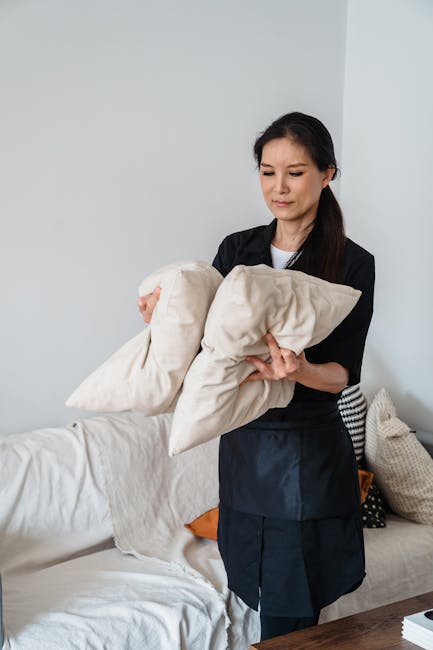
Sussex Gardens Upholstery Cleaning Guide -- Paddington Tips

If you live, work, or manage property around Sussex Gardens in Paddington, upholstery cleaning can feel deceptively simple until you're faced with a settee that has picked up street dust, tea marks, pet odours, or the general wear of a busy London home. This Sussex Gardens Upholstery Cleaning Guide -- Paddington Tips is designed to help you understand what really matters, what to avoid, and how to get better results without risking delicate fabrics. Whether you're preparing for guests, trying to freshen up a rental, or just sick of looking at one stubborn mark every evening, the practical advice below should make the whole thing feel a lot less guessy.
There's no magic trick, to be fair. Good upholstery care is mostly about reading the fabric properly, choosing the right cleaning method, and not rushing the process. The rest is judgement. A little patience goes a long way.
Why Sussex Gardens Upholstery Cleaning Guide -- Paddington Tips Matters
Sussex Gardens and the wider Paddington area see a lot of daily movement. Commuters, visitors, short stays, deliveries, family life, pets, and the usual London background grit all add up. Upholstery sits right in the middle of that. It catches skin oils, dust, food crumbs, moisture, and the occasional mystery mark that appears after a perfectly normal evening and nobody knows how. Sound familiar?
That's why a focused cleaning approach matters. Upholstery is more sensitive than hard flooring or even many carpets. The wrong product can leave a ring, flatten fibres, or strip colour from a cushion cover. The right approach can lift the whole room, reduce odours, and help furniture last longer. In a property near Sussex Gardens, where both presentation and practicality matter, that balance is especially useful.
There's also the small but real comfort factor. Clean seating changes how a room feels. It smells fresher, looks brighter, and somehow makes the whole place feel more cared for. That can matter whether you're hosting friends, managing a holiday let, or simply trying to enjoy your own sofa without side-eyeing the armrest.
Expert summary: Upholstery cleaning is not just about removing visible dirt. It is about protecting fabric structure, controlling moisture, and choosing a method that suits the material, the stain, and the space.
For readers also thinking about broader home maintenance, it may help to view upholstery care alongside related services such as sofa cleaning, rug cleaning, and curtain cleaning. Those surfaces often share dust and odour issues, so tackling them together can make the room feel properly refreshed rather than half-done.
How Sussex Gardens Upholstery Cleaning Guide -- Paddington Tips Works
Upholstery cleaning usually starts with inspection, not spraying. A good cleaner looks at the fabric type, the weave, the age of the item, the stain pattern, and any care labels or manufacturer notes. That first look shapes everything else. A velvet armchair, for example, needs a very different touch from a hard-wearing synthetic dining chair seat.
In practical terms, the process usually follows a simple logic:
- Identify the fabric. Natural fibres, synthetics, blends, and delicate finishes all respond differently.
- Test a small area. This helps confirm colourfastness and avoid nasty surprises.
- Pre-treat spots. Stains are usually treated before any general cleaning begins.
- Apply the main cleaning method. This may involve low-moisture cleaning, hot water extraction where suitable, or specialised spot treatment.
- Remove residue and moisture. Too much product left behind can attract new soil faster.
- Dry correctly. Good airflow matters more than people think. A damp sofa in a closed room? Not ideal. At all.
Paddington homes and flats often have a mix of furniture ages and fabric types, which is why one-size-fits-all cleaning rarely works well. A modern microfibre corner sofa can handle a fairly robust treatment. A vintage wool blend armchair cannot. If you are unsure, go gentle first.
For more general deep-refresh work around a home or flat, many people pair upholstery care with deep cleaning or, in busier households, regular cleaning. That can make the difference between a quick surface tidy and a genuinely cleaner living space.
Key Benefits and Practical Advantages
Clean upholstery does more than improve appearance. Done properly, it supports the comfort, hygiene, and longevity of the furniture. That's the real value, not just the "looks nice for visitors" bit, although that has its place too.
- Better air feel in the room: Upholstery can hold dust and lingering smells, especially in small flats or rooms with limited ventilation.
- Longer fabric life: Dirt particles can act like fine abrasives, slowly wearing fibres down.
- Improved stain management: A treated stain is easier to keep under control than an ignored one.
- More comfortable seating: Fresh fabric feels cleaner and more pleasant to use day to day.
- Better presentation: Useful for rentals, guest spaces, and homes where first impressions matter.
There's a hidden benefit as well: regular upholstery care helps you spot wear early. Loose seams, fading, broken zips, and weak padding tend to show up while you're cleaning, which gives you a chance to act before they become bigger, more expensive issues. A small tear spotted early is just a small tear. Spot it too late and, well, now we're talking about a repair job.
If your furniture is part of a wider property refresh, you may also find value in pairing it with upholstery cleaning across multiple items, or adding stain removal support when a mark needs more targeted treatment.
Who This Is For and When It Makes Sense
This guide is useful for a fairly broad set of people. If you live near Sussex Gardens or anywhere in Paddington, you probably fall into one of these groups:
- Homeowners who want to keep sofas, chairs, and stools in good shape
- Renters trying to maintain a clean home without risking damage to furniture
- Landlords and letting agents who need presentable interiors between tenancies
- Airbnb or short-let hosts dealing with frequent turnover and varied use
- Families and pet owners managing daily wear, food spills, and odours
- Offices and commercial spaces with waiting areas or lounge seating
It makes sense to act sooner rather than later if you notice a few classic signs: dull-looking fabric, a musty smell, visible marks, flattened seating areas, or that general "needs a proper freshen-up" feeling. You know it when you see it. Sometimes you know it by smell before you even sit down.
For commercial or shared buildings, upholstery may be part of a bigger cleaning plan alongside commercial cleaning or office cleaning. In those settings, timing matters because you want a clean result without disrupting customers, staff, or residents.
Step-by-Step Guidance
If you want a practical way to approach upholstery cleaning in Sussex Gardens or the wider Paddington area, use this simple sequence. It keeps the work controlled and reduces the chance of damage.
1. Check the care label first
Most upholstered items have a cleaning code or manufacturer guidance. Read it carefully. If the fabric is marked for professional cleaning only, take that seriously. Those labels are there for a reason, even if they look annoyingly small and faint.
2. Vacuum thoroughly
Use a soft upholstery attachment and work slowly across seams, edges, buttons, and under cushions. Dry debris should come off before any liquid is used. Otherwise, you risk turning loose grit into muddy residue. Not pretty.
3. Inspect the stains and marks
Work out what you're dealing with. Food? Grease? Drink spill? Pet accident? General dirt? Different stains need different treatment, and it is very easy to make a mark worse by attacking it the wrong way.
4. Test cleaning products in a hidden spot
Even a mild solution can alter colour or texture on sensitive fabric. A hidden patch test gives you a safety check. Wait for it to dry before deciding it is safe.
5. Pre-treat problem areas
Spot treatment should be careful and localised. Blot rather than rub. Overworking a stain can spread it, drive it deeper, or rough up the pile. A little patience beats a frantic scrub every time.
6. Clean the full piece evenly
Once spots are handled, clean the larger surface area so the finished result does not look patchy. This matters more than people expect. A chair with one perfect arm and one dull arm looks strange, even if you can't quite say why.
7. Dry with proper airflow
Open windows where possible, use gentle air movement, and avoid sitting on the furniture until it is fully dry. Rushing this stage can lead to lingering odour or watermarks. In a London flat, especially in winter, drying can take a bit longer than hoped.
8. Finish with grooming and inspection
If the fabric has a nap or pile, brush it lightly when dry. Then check seams, corners, and cushion edges. If anything still looks uncertain, leave it alone rather than over-treating it.
For homes that need a broader reset, you may want to combine the upholstery job with house cleaning or a targeted one-off cleaning visit, especially after a party, tenancy change, or renovation.
Expert Tips for Better Results
Little decisions make a big difference with upholstery. The broad method is easy enough; the finesse is where better results come from.
- Work from the outer edge inward when dealing with a spot, so you do not spread the stain.
- Use minimal moisture on delicate fabrics. Too much water can cause rings, shrinkage, or slow drying.
- Keep airflow moving after cleaning, especially in enclosed rooms or basement flats.
- Match the method to the fabric rather than assuming every sofa wants the same treatment.
- Deal with spills quickly, but calmly. There is no bonus point for panicking.
- Don't over-scent the room after cleaning. Fresh is better than heavily perfumed.
Here's a small but useful observation: many upholstery problems are made worse by over-cleaning, not under-cleaning. A mark gets rubbed, then soaked, then rubbed again. Suddenly the original stain is gone but the fabric has a larger dull patch around it. That's the sort of thing people notice from across the room.
If pet issues are part of the picture, consider pet stain odour removal as a focused approach. Pet-related marks are tricky because the smell can linger even when the visible patch seems small. You do not want a "clean" sofa that still announces yesterday's accident.
Common Mistakes to Avoid
Let's face it, most upholstery damage happens because someone is trying to fix a small problem quickly. That's understandable. Still, there are a few repeat offenders worth avoiding.
- Skipping the fabric check: What works on one sofa can ruin another.
- Scrubbing hard: This can push dirt deeper and damage fibres.
- Using too much product: More cleaner does not mean better cleaner.
- Forgetting to test first: A hidden patch test can save a whole chair.
- Leaving moisture trapped: That can lead to odour or a stale feel.
- Cleaning in patches only: Local fixes are useful, but a larger fabric blend may need even treatment.
- Ignoring old stains: Age changes stain chemistry, which makes them harder to remove cleanly.
Another common one is trying to treat every mark like a surface spill. Some stains sit in the fibres, some sit on the finish, and some are mixed with body oils or food residue. If you treat them all the same way, results can be patchy. Frustrating, honestly.
Tools, Resources and Recommendations
You do not need an enormous kit to handle basic upholstery care well. In many homes, the right few tools are enough. Here's a sensible starting point:
- Soft upholstery vacuum attachment for routine dust and debris removal
- Microfibre cloths for blotting and controlled wiping
- Soft-bristled brush for gently lifting nap on suitable fabrics
- Fabric-safe spot treatment for carefully targeting marks
- Clean white towels to absorb moisture without colour transfer
- Fan or open-window airflow to help drying
For larger or more awkward pieces, professional help can save time and reduce risk. That is especially true for valuable furniture, antique upholstery, or items with mixed materials. A decent cleaner should be able to explain the method they plan to use, the drying expectations, and any limitations before they begin.
If you are comparing related services, useful pages to review include mattress cleaning for bedroom hygiene, carpet cleaning for floor-level freshness, and steam carpet cleaning when you need a deeper fibre refresh elsewhere in the property.
Law, Compliance, Standards, or Best Practice
For most homeowners, upholstery cleaning is less about formal regulation and more about sensible care. That said, there are still practical standards worth respecting. In shared buildings, rented homes, offices, or guest accommodation, it is wise to be careful about product use, ventilation, safety, and permission before treating furniture. If the furniture belongs to a landlord, tenant, client, or guest space, make sure you are allowed to clean or treat it in the first place.
For professional cleaners, good practice usually includes clear communication about fabric risks, suitable cleaning methods, and expected drying times. Insurance, health and safety procedures, and safe chemical handling matter too. If a service provider is working in your property, it is reasonable to ask how they protect furniture, floors, and nearby surfaces. That is not being awkward. It is just sensible.
In London properties, especially older buildings around Sussex Gardens, airflow and access can be part of the challenge. Narrow hallways, lift restrictions, and delicate finishes may all affect the approach. A careful cleaner should account for that rather than forcing a generic method.
You can also check related company information such as health and safety policy, insurance and safety, and terms and conditions if you are reviewing a provider's standards before booking. That kind of transparency is reassuring, and frankly it should be expected.
Options, Methods, or Comparison Table
Different upholstery cleaning methods suit different situations. There is no single winner every time. The best choice depends on fabric, stain type, drying time, and how sensitive the item is.
| Method | Best for | Strengths | Trade-offs |
|---|---|---|---|
| Vacuuming and spot care | Routine upkeep, light dust, small fresh spills | Fast, low risk, ideal for maintenance | Won't remove deep grime or old staining |
| Low-moisture cleaning | Delicate or moderately soiled fabrics | Shorter drying, gentler on sensitive materials | May need more careful technique and repeated passes |
| Hot water extraction | Suitable robust fabrics with embedded dirt | Deep cleaning potential, strong rinse action | Not suitable for every material; drying time matters |
| Targeted stain treatment | Specific marks, spill zones, pet incidents | Focused and efficient | Needs correct product choice and testing |
If you are dealing with mixed furniture across a flat or property portfolio, sometimes the smartest answer is a combination approach. For example, you might use spot treatment on one armchair, low-moisture care on a sofa, and a wider domestic cleaning or communal area cleaning plan to support the rest of the space. It sounds simple, because it is. The trick is choosing the right method for each item.
Case Study or Real-World Example
Here's a realistic Paddington-style scenario. A flat near Sussex Gardens has a two-seat fabric sofa in a living room that also serves as a work space. Over time, the sofa picks up coffee splashes, dust from the window being open on warmer days, and a faint stale smell from limited ventilation. Nothing dramatic. Just enough to make the room feel tired.
The first step is not cleaning immediately. It is checking the fabric type and vacuuming thoroughly, especially in seams and under cushions. Then a small test patch is done on a hidden area. One light stain around the arm responds well to a gentle fabric-safe treatment, but a darker mark near the seat edge needs a second, more controlled pass. The cleaner is careful not to soak the fabric because the room is only moderately ventilated.
After the main clean, airflow is improved with windows open for a few hours and a fan used at a safe distance. The sofa looks brighter, the room smells cleaner, and the owner notices something interesting: the whole space feels calmer, not just tidier. That's usually the sign the job was done well. Not flashy. Just quietly effective.
In cases where the furniture is more heavily used, the same property might also benefit from end of tenancy cleaning or move out cleaning if the goal is to hand over the space in good condition. For hosts, airbnb cleaning can be the more relevant route.
Practical Checklist
Use this quick checklist before you start:
- Check the upholstery care label
- Identify the stain type, if there is one
- Vacuum seams, edges, and cushion gaps
- Test any cleaner on a hidden area first
- Use the gentlest effective method
- Blot, don't scrub
- Avoid over-wetting the fabric
- Allow proper drying time with airflow
- Inspect for rings, residue, or odour after drying
- Reassess before repeating any treatment
Quick reminder: if a piece is valuable, old, or delicate, caution is not overkill. It is common sense.
Conclusion
Upholstery cleaning around Sussex Gardens and Paddington is really about matching the method to the material and staying patient with the process. If you do that well, you will usually get a cleaner-looking room, fresher air, and furniture that lasts longer. If you rush it, the fabric tends to remind you, usually in the least convenient way possible.
The best results come from careful inspection, sensible stain treatment, and proper drying. Add in a little local awareness about older buildings, busy households, and varied fabric types, and you've got a much better chance of doing it right the first time.
Get a free quote today and see how much you can save.
And if you want the short version: protect the fabric, respect the drying time, and never underestimate a good vacuum. That alone solves more upholstery problems than people think.
Frequently Asked Questions
How often should upholstery be cleaned in a Paddington home?
It depends on use, fabric, pets, and exposure to dust, but many households benefit from regular vacuuming and a deeper clean when the furniture starts to look dull, smell stale, or show visible marks.
Can I clean delicate upholstery myself?
Sometimes, yes, but only if the care label allows it and you are confident with a patch test, gentle products, and limited moisture. Delicate or antique pieces are usually better left to a professional.
What is the safest first step before using any cleaner?
Vacuum thoroughly, then test the product on a hidden area. That simple sequence prevents a lot of avoidable damage and gives you a better idea of how the fabric will react.
Why does my sofa look worse after I clean a stain?
That usually happens when the fabric becomes over-wet, the stain spreads, or residue is left behind. Rings and patchy marks are common signs that the cleaning method was too aggressive or too broad.
How long does upholstery usually take to dry?
Drying time depends on fabric type, cleaning method, ventilation, and room temperature. In a London flat, especially with limited airflow, it can take longer than people expect. Good ventilation helps a lot.
Is steam cleaning suitable for all upholstery?
No. Steam or extraction-style cleaning can be effective for some robust fabrics, but delicate materials may not tolerate it well. Always check the care label and assess the fabric before choosing the method.
How do I deal with pet smells in upholstery?
Pet odours usually need more than surface cleaning. Targeted treatment, careful moisture control, and proper drying are important. If the smell has soaked in deeply, specialist pet stain and odour treatment is often the better route.
Can upholstery cleaning remove old stains?
Sometimes it can improve them significantly, but old stains are harder to remove completely because they have had time to bond with the fibres. The result depends on the stain type, fabric, and previous cleaning attempts.
Should I clean my carpets and upholstery together?
Often, yes. If both surfaces are dusty or stained, cleaning them together can give the room a more even, fresher result. It also helps avoid that odd situation where the sofa looks new but the carpet still looks tired.
What should I ask a professional upholstery cleaner before booking?
Ask what methods they use, whether they test the fabric first, how long drying may take, and whether they carry insurance. Clear answers are a good sign. Vague answers usually are not.
Is it safe to use strong household cleaners on fabric furniture?
Usually not a great idea. Strong household cleaners can bleach, stain, or weaken upholstery fibres. A fabric-safe product is much safer, and in many cases a gentler method works better anyway.
What if I only need a one-time refresh before guests arrive?
Then a focused one-off clean may be enough, especially if the furniture is in decent condition and the aim is to freshen appearance quickly. That said, if there are deep stains or odours, allow a little extra time so the result is properly finished.