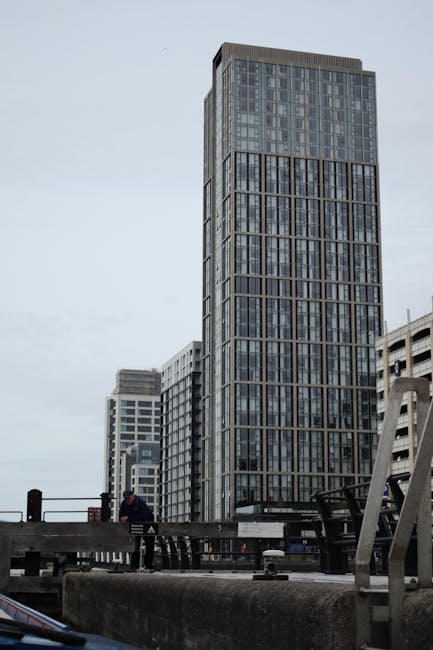
Protect Carpets on Merchant Square and Paddington Basin: A Practical Guide for Homes, Offices, and Managed Properties
Carpets in Merchant Square and Paddington Basin work hard. They face foot traffic from residents, visitors, office teams, guests, delivery runs, pets, pushchairs, and the occasional spill that arrives without warning. If you want your flooring to stay presentable, last longer, and support the overall look of your property, you need a sensible plan to protect carpets on Merchant Square and Paddington Basin before damage becomes expensive to fix.
This guide explains what carpet protection really means in a local riverside setting, why it matters, how it works in practice, and what property owners, landlords, tenants, and office managers can do immediately. It also covers common mistakes, useful methods, and the kind of maintenance approach that keeps carpets looking cleaner for longer without making life complicated. If you are managing a home, a rental, or a workplace, the right routine can save you time and hassle. Truth be told, carpets rarely get the luxury treatment they deserve until a stain has already settled in.
For readers also planning broader property upkeep, our services overview is a useful place to understand how carpet care fits alongside other cleaning needs. You may also find the local context in our article on Paddington's neighbourhood character helpful when thinking about how busy these streets and buildings can be.
Table of Contents
- Why Protect Carpets on Merchant Square and Paddington Basin Matters
- How Protect Carpets on Merchant Square and Paddington Basin Works
- Key Benefits and Practical Advantages
- Who This Is For and When It Makes Sense
- Step-by-Step Guidance
- Expert Tips for Better Results
- Common Mistakes to Avoid
- Tools, Resources and Recommendations
- Law, Compliance, Standards, or Best Practice
- Options, Methods, or Comparison Table
- Case Study or Real-World Example
- Practical Checklist
- Conclusion
- Frequently Asked Questions
Why Protect Carpets on Merchant Square and Paddington Basin Matters
Merchant Square and Paddington Basin combine residential buildings, offices, hospitality spaces, and shared communal areas. That mix creates a very specific set of carpet risks. Footfall is often higher than in quieter streets, and the type of traffic is less predictable. One morning may bring office staff and couriers; the next, a weekend gathering, a family visit, or a move-in day with boxes sliding across the floor.
Carpet damage usually does not begin with one dramatic incident. More often, it starts with gradual wear. Soil particles grind into fibres. Damp shoes leave marks. Spills settle into pile. Furniture legs compress high-traffic paths. In a river-side setting, moisture and grit can be tracked inside more often than people realise, especially near entrances and glazed communal areas where people move in and out all day.
Protecting carpets is not only about appearance. It also affects smell, hygiene, texture, and the long-term cost of maintaining a property. A carpet that is well protected tends to hold up better between professional cleans, and it usually gives a better impression to guests, tenants, clients, or buyers. For landlords and property managers, that impression matters. For businesses, it can affect how polished and cared-for the space feels. For home occupiers, it simply makes daily life easier.
If you are comparing cleaning support for different parts of Paddington, it can help to review the local carpet cleaning service in Paddington and the broader Paddington Basin landlord carpet cleaning checklist. Those resources are especially useful if you are managing turnover, inspections, or a schedule of recurring maintenance.
Key point: Carpet protection works best when it is treated as routine maintenance, not emergency repair. A small amount of planning can prevent surprisingly expensive wear.
How Protect Carpets on Merchant Square and Paddington Basin Works
In practical terms, carpet protection is a layered process. You reduce the amount of dirt and moisture entering the property, minimise immediate staining risk, and make routine cleaning more effective. No single product solves everything. The best results usually come from combining prevention, smart placement, and regular upkeep.
1. Stop dirt at the door
Entry points are the first line of defence. In a busy location like Merchant Square, this often means using door mats or entrance runners inside and outside the main threshold. The aim is simple: remove grit before it reaches the carpet pile. For commercial premises, a more robust entrance system may be needed because shoes bring in fine debris from pavements, transport links, and nearby public spaces.
2. Protect high-traffic paths
Hallways, reception areas, and the walking route from the door to seating or desks wear out fastest. Here, carpet runners, furniture arrangement, and periodic spot treatment matter. If a route is heavily used every day, it should be treated like a visible maintenance zone rather than ignored until it looks tired.
3. Deal with spills immediately
Time is crucial. Fresh spills are easier to lift than set marks, and the first response usually determines the final result. Blotting, not rubbing, is the rule. Over-wetting is another common mistake because it can push stains deeper or leave a damp base layer behind. If the spill is oily, coloured, or unknown, a cautious approach is better than improvising with whatever is under the sink.
4. Apply fibre-appropriate protection
Some carpets benefit from a professional protectant treatment after cleaning. This can help fibres resist staining and slow the absorption of everyday spills. However, not every carpet needs the same treatment, and not every product is suitable for every fibre type. Wool, synthetic blends, and low-pile office carpets all behave differently. A thoughtful assessment is far more useful than a one-size-fits-all promise.
5. Support protection with regular cleaning
Even the best preventive measures only go so far if dirt is left to accumulate. Regular vacuuming, interim spot cleaning, and periodic deep cleaning are all part of the process. In homes, this may mean a weekly routine with quicker attention to spills. In offices or managed blocks, a more structured schedule usually makes sense.
For households balancing carpet care with broader cleaning, the domestic cleaning service in Paddington and house cleaning support can help keep day-to-day soil under control. If your space includes sofas and soft furnishings too, see the upholstery cleaning options as well.
Key Benefits and Practical Advantages
The advantages of carpet protection are straightforward, but the effects are more significant than people expect. When done well, it improves both short-term presentation and long-term value.
- Longer carpet lifespan: Reduced abrasion and fewer deep-set stains help fibres stay in better condition.
- Cleaner appearance between professional visits: Carpets look fresher for longer, especially in visible areas.
- Lower maintenance stress: Quick spill response becomes easier when protection is already in place.
- Better first impressions: This matters in rentals, offices, show apartments, and client-facing spaces.
- Improved hygiene: Less embedded dirt means fewer odours and a cleaner overall environment.
- Cost control: Preventive care is typically less disruptive and less expensive than major restoration later on.
There is also a practical management benefit. If you are responsible for a block, a rental portfolio, or a workplace, carpet protection creates consistency. The building feels cared for. That often matters more than people admit. Visitors notice polished floors, and they notice tired ones too.
If you are comparing provider quality or want to understand how other customers judge service standards, the customer reviews page can be a useful reference point. For budget planning, the pricing and quotes page is also worth checking early rather than late.
Who This Is For and When It Makes Sense
Carpet protection is not just for one type of property. In Merchant Square and Paddington Basin, it makes sense for a wide range of users:
- Landlords who want carpets to survive tenant turnover with less visible wear
- Letting agents and property managers who need reliable presentation across multiple units
- Office managers responsible for reception areas, corridors, meeting rooms, and breakout spaces
- Homeowners and tenants who want a cleaner, more comfortable living environment
- Short-let hosts who need a fast turnaround between guests
- Building managers looking after communal hallways, lifts, and shared circulation areas
It makes the most sense when foot traffic is high, when carpets are light-coloured, when the building hosts frequent visitors, or when the property has already shown early signs of wear. It also makes sense before a move-in, before a period of increased occupancy, or before an important inspection.
For people considering wider local property decisions, these articles add context: evaluating Paddington as a residential area, what it is like to live in Paddington, and the pros and cons of living in Paddington. They are not carpet articles, of course, but they help explain why these properties see such a mix of domestic and commercial use.
Step-by-Step Guidance
Here is a practical way to build a carpet protection routine without making it feel like a full-time job.
- Inspect the main traffic routes. Identify entrances, corridors, desks, sofas, dining areas, and pinch points where people naturally walk.
- Check the carpet type. Wool, synthetic, loop pile, and cut pile all react differently to staining and wear.
- Place mats where they will actually be used. Mats should sit where shoes land, not where they look neat in a photograph.
- Set a spill response rule. Decide now who responds, what materials are used, and how quickly the area is attended to.
- Vacuum more often in the busy zones. High-traffic areas may need more attention than the rest of the property.
- Spot-clean correctly. Blot gently, use the right solution for the stain type, and avoid scrubbing.
- Schedule periodic professional cleaning. This helps remove soil and residue that everyday cleaning cannot fully lift.
- Review the result after a few weeks. If one area keeps getting dirty, adjust the layout rather than blaming the carpet.
A practical example: if the route from a riverside entrance to a reception desk is the main wear line, you can often improve carpet life simply by adding a better mat, redirecting footfall slightly with furniture, and increasing vacuuming frequency there. Small changes, noticeable payoff.
Expert Tips for Better Results
Good carpet protection is often about the details people overlook.
- Use layered mats. An outer scraper mat and an inner absorbent mat work better than a single thin mat.
- Match the method to the fibre. A product that is fine on one carpet may be too harsh on another.
- Keep wheels and feet clean too. Office chair castors, table legs, and furniture feet can cause wear that is easy to miss.
- Lift instead of drag. Boxes, chairs, and equipment should be moved carefully to avoid fibre crushing.
- Rotate furniture where possible. This can reduce visible traffic lanes and pressure marks.
- Monitor humidity and moisture. Dampness can make carpets feel stale and can worsen certain stain types.
- Act on recurring stains. If the same mark keeps reappearing, there is likely a source problem, not just a cleaning problem.
Here is a simple professional habit worth copying: treat the carpet as part of the building's operating system, not just part of the decor. That mindset changes what you notice and when you act.
For property owners who want a broader service relationship, the office cleaning service can be helpful for maintaining shared workspaces, while the services overview on the related site offers another way to compare what support may suit a managed property.
Common Mistakes to Avoid
Most carpet problems are made worse by avoidable habits. The good news is that these are usually easy to fix once you know what to look for.
- Waiting too long after a spill. Even a few hours can make a difference to staining and odour.
- Scrubbing aggressively. This can damage fibres and spread the stain.
- Using too much water. Over-wetting often creates more trouble than the original spill.
- Ignoring entry mats. A good carpet can still fail if every shoe tracks grit straight onto it.
- Assuming one product works for every stain. Food, drink, mud, oil, and dye-based marks need different handling.
- Skipping professional cleaning for too long. Built-up residue becomes harder to remove and dulls appearance.
- Moving furniture without protection. Chair legs and boxes can leave compressed patches or snags.
One subtle mistake is waiting until the carpet looks obviously dirty. By then, much of the soil may already be embedded deeper in the pile. Prevention is usually cheaper than recovery, and it is certainly less annoying.
Tools, Resources and Recommendations
You do not need a cupboard full of specialist equipment, but a few practical items make a real difference.
| Tool or Resource | Why It Helps | Best Use |
|---|---|---|
| Entrance mats | Reduce grit and moisture tracked indoors | Front doors, lobby areas, shared entrances |
| Vacuum cleaner with good suction | Removes dry soil before it embeds | Routine domestic or office maintenance |
| Microfibre cloths | Useful for gentle blotting and quick spill response | Fresh stains and spot treatment |
| Carpet-safe cleaning solution | Helps lift common marks without harsh abrasion | Targeted stain removal |
| Furniture pads | Reduce crushing and indentation | Desks, chairs, tables, and sofas |
| Professional cleaning plan | Keeps deep soil under control | Quarterly, seasonal, or turnover cleaning |
For many properties, the most useful recommendation is simple: combine everyday maintenance with scheduled professional support. If you are preparing a move-out, you may also want to review end of tenancy cleaning in Paddington, since carpet condition can influence how smoothly the handover goes.
If you are comparing a broader package or need support across multiple rooms, house cleaning and domestic cleaning may be a sensible complement to carpet care. For landlords specifically, the building-management approach outlined in the landlord checklist can help align cleaning timing with inspections and new tenancies.
Law, Compliance, Standards, or Best Practice
For carpet protection, the main compliance concerns are usually less about a single carpet-specific law and more about general duty of care, safe working practices, and the expectations that apply to your property type. In offices, communal areas, and managed premises, you should think about slip risk, safe use of cleaning products, and proper handling of equipment. In rental and hospitality settings, presentation and hygiene standards matter because they affect occupant experience and, in some cases, contractual obligations.
Best practice in the UK context usually means:
- using cleaning and protectant products in line with manufacturer guidance
- keeping walkways as safe and dry as possible after cleaning
- avoiding harsh chemicals on delicate fibres
- maintaining records for planned maintenance where appropriate
- ensuring staff or contractors understand the carpet type and any access constraints
If you use a professional cleaning provider, it is sensible to check their health and safety policy and insurance and safety information. That is not overcautious; it is simply good property management. You should also feel comfortable reviewing terms and conditions and payment and security details before booking.
For anyone interested in the service provider itself, the about us page is worth checking, and if accessibility matters for your building or occupants, the accessibility statement can be useful too. These pages are part of the trust picture, especially when you are letting contractors into occupied homes or shared commercial spaces.
Options, Methods, or Comparison Table
Different carpet protection methods solve different problems. Choosing the right one depends on traffic levels, carpet type, and how much disruption you can tolerate.
| Method | Strengths | Limitations | Best For |
|---|---|---|---|
| Mats and runners | Immediate dirt reduction, inexpensive, easy to change | Need placement discipline and regular cleaning | Entrances, corridors, and reception areas |
| Routine vacuuming | Prevents soil build-up, simple to schedule | Does not remove deep staining | Homes, offices, communal spaces |
| Spot treatment | Useful for fresh spills and isolated marks | Less effective on old or dye-based stains | Everyday incidents |
| Professional deep cleaning | Removes embedded soil and refreshes appearance | Requires booking and downtime | Seasonal maintenance, turnover, heavy use |
| Protectant application | Helps resist future staining and supports maintenance | Must suit the carpet fibre and condition | High-value or high-traffic carpets |
In many real properties, the best answer is not one method but a combination. For example, a managed apartment building in Paddington Basin may use mats at entrances, a weekly vacuum schedule, targeted spot cleaning, and periodic professional treatment. That layered approach is usually more reliable than trying to rely on one heroic fix.
Case Study or Real-World Example
Consider a mixed-use apartment building near the Basin with a shared entrance, lift lobby, and internal corridor. Residents come and go throughout the day. Deliveries arrive often. One unit is used occasionally for short stays. Over time, the lobby carpet starts to show a grey track line from the entrance to the lift.
The first instinct might be to deep clean the carpet and hope for the best. That helps, but only temporarily. The better approach is to look at the whole pattern of use. The building manager adds a more effective entrance mat, increases vacuum frequency in the lobby, and asks residents to avoid dragging luggage over the same route where possible. A professional clean follows, and the carpet protectant is applied only where suitable. Within a short period, the visual difference is obvious and the wear line becomes much less noticeable.
That is the real lesson. Carpet protection works best when it is tied to behaviour, not just products. If the traffic pattern stays the same, the carpet will keep telling the same story.
For those managing similar properties, the article on Paddington property buying tips can also be useful when factoring long-term maintenance into asset decisions. A carpet is a small thing until you are trying to make a property feel cared for.
Practical Checklist
Use this checklist to keep your carpets in better shape across Merchant Square and Paddington Basin.
- Place suitable mats at every main entrance
- Vacuum high-traffic areas more often than low-traffic rooms
- Blot spills immediately instead of rubbing them
- Keep a carpet-safe spot-cleaning kit nearby
- Check furniture feet and castors for wear or snagging risk
- Rotate or reposition furniture where practical
- Book periodic professional cleaning before the carpet looks tired
- Use protectant treatment only where fibre type and condition allow it
- Review traffic patterns if one area keeps wearing out first
- Keep records for managed buildings or rental turnover
Practical summary: If you do only three things well, make them entrance matting, fast spill response, and regular deep cleaning. Those three habits prevent a large share of avoidable carpet damage.
Conclusion
To protect carpets on Merchant Square and Paddington Basin, think in layers: stop dirt at the door, control wear in high-traffic zones, respond quickly to spills, and maintain the carpet on a realistic schedule. That approach works in homes, offices, communal buildings, and rental properties because it tackles the actual causes of damage rather than just the visible symptoms.
If you are a landlord, manager, or homeowner, the smartest move is usually to combine simple preventive steps with professional help at the right time. That keeps carpets looking better, helps reduce long-term costs, and makes the whole property feel more considered. And yes, it saves you from the familiar moment when a stain appears right before someone important is due to arrive.
For more support, explore our current promotions, read more local guidance on the blog, or compare service options for your space. If you want reassurance on quality and experience, the reviews page is a good next stop.
Get a free quote today and see how much you can save.
Frequently Asked Questions
What is the best way to protect carpets in a busy Paddington Basin property?
The best approach is layered protection: entrance mats, regular vacuuming, quick spill response, and periodic professional cleaning. In busy properties, one method alone is rarely enough.
Do carpet protectant treatments really help?
They can help, especially on suitable fibres and after a proper clean. They do not make carpets stain-proof, but they can slow absorption and make routine maintenance easier.
How often should carpets in Merchant Square be professionally cleaned?
It depends on use, traffic, and fibre type. For high-traffic homes or commercial spaces, many property owners choose a regular schedule rather than waiting for visible soil build-up.
Are mats enough to protect a carpet?
Mats are important, but they are only one part of protection. They work best when combined with vacuuming, spill control, and occasional deep cleaning.
What should I do immediately after a spill?
Blot the spill gently with a clean cloth, work from the outside inward, and avoid rubbing. If the stain is stubborn or coloured, use a carpet-safe product and avoid soaking the area.
Which carpets are most vulnerable to damage?
Light-coloured carpets, soft pile carpets, and some natural fibres can show wear and staining more quickly. The exact risk depends on traffic and maintenance as well as material.
Can carpet protection help with rental inspections?
Yes. Well-maintained carpets generally improve presentation at check-in, mid-tenancy visits, and move-out inspections. They can also reduce the need for corrective cleaning later.
Is professional carpet cleaning worth it for office spaces?
Usually, yes. Offices collect fine soil, dust, and debris that ordinary vacuuming cannot always remove fully. Professional cleaning also helps preserve a more polished impression.
What is the biggest mistake people make with carpet care?
Waiting too long to act on stains is probably the most common mistake. The longer a spill sits, the harder it usually is to remove cleanly.
How do I know whether a protectant is suitable for my carpet?
Check the fibre type and the manufacturer's care guidance, or ask a professional to assess it. Some carpets respond well to treatment, while others need a more cautious approach.
Should I check safety information before booking a cleaner?
Yes. It is sensible to review health and safety, insurance, and terms before hiring any contractor, especially for occupied homes or managed buildings.
Where can I get help with carpet care in Paddington?
You can start with the local carpet cleaning pages, service overview, pricing information, and relevant area guides on the site. That will help you match the level of service to the property type and traffic level.