Pro vs DIY Carpet Cleaning for Paddington Homes: Cost Guide
If you live in Paddington, you already know carpets take a beating. Mud from a wet morning commute, pet mess near the hallway, drink spills after a quiet night in, the odd mark from moving furniture around a compact flat, it all adds up. This guide on Pro vs DIY Carpet Cleaning for Paddington Homes: Cost Guide breaks down what each option really costs, what you get for the money, and where the hidden trade-offs sit.
Truth be told, carpet cleaning is one of those jobs that looks simple until you are knee-deep in a borrowed machine, a bottle of detergent, and a carpet that still feels slightly tacky the next day. So let's make it practical. You'll see the full picture: hire costs, DIY equipment costs, drying times, stain risks, when to book a professional, and when a careful DIY clean makes sense.
Why Pro vs DIY Carpet Cleaning for Paddington Homes: Cost Guide Matters
Carpet cleaning costs are not just about the price on the receipt. They also include your time, effort, drying time, the chance of over-wetting, and whether a stain actually disappears or just turns into a pale shadow that keeps annoying you every time you walk past it. In Paddington, where homes range from elegant period flats to busy rental properties and compact apartments, that matters even more.
Why? Because different homes need different levels of care. A light refresh in a low-traffic bedroom is a very different job from rescuing a hallway carpet after winter mud, or tackling a rental property before checkout. If you are weighing up whether to do it yourself or book a specialist, the real question is not "which is cheaper?" It is "which gives me the best value for this carpet, this stain, and this deadline?"
There is also the matter of carpet fibre. Wool, blended fibres, loop piles, and synthetic carpets all behave differently. Use the wrong product or too much water and you can end up with a sticky finish, reappearing stains, or a worse-looking patch than before. That is why a proper cost guide helps: it keeps the decision grounded in outcomes, not guesswork.
If your carpets are part of a fuller home clean, it can also help to look at related services such as domestic cleaning, deep cleaning, or one-off cleaning when you are trying to reset a property in one go. That little bit of joined-up thinking can save both time and money.
How Pro vs DIY Carpet Cleaning for Paddington Homes: Cost Guide Works
The two routes work differently, and that is where the cost difference starts to make sense.
DIY carpet cleaning usually means hiring or buying a carpet cleaner, choosing a detergent, pre-treating stains, cleaning in sections, and then waiting for the carpet to dry. It can be effective for surface dirt and routine freshening. It can also become a bit of a weekend project, especially in larger Paddington homes or if furniture needs moving around.
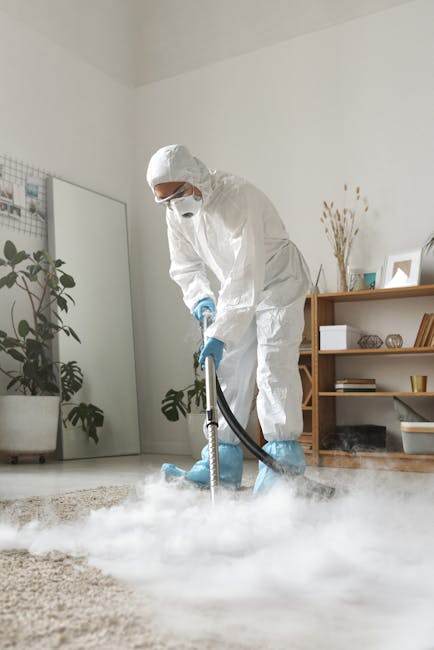
Professional carpet cleaning typically involves a technician assessing the fibre type, choosing the correct method, pre-treating spots, using professional extraction or steam-based equipment, and managing moisture levels more carefully. You are paying for machinery, experience, and a more predictable result. That predictability is the big thing, honestly.
For most people, the cost comparison works best when split into three parts:
- Direct spend - hire fees, detergents, professional visit charges, and any add-ons.
- Hidden spend - your time, fuel or delivery, cleaning mistakes, repeated treatments, and drying delays.
- Risk cost - damage to fibres, colour loss, residue build-up, and stains that become harder to remove later.
A simple carpet refresh can often be done DIY. A more stubborn job, such as pet stains, odours, end-of-tenancy marks, or a heavily used lounge carpet, usually tips the balance towards professional help. If odour is part of the problem, it may also be worth looking at pet stain and odour removal or broader stain removal support, because smell and staining often sit together.
Key Benefits and Practical Advantages
Both options have value. The best choice depends on what you need the carpet to do for you right now. Clean? Fresh? Tenant-ready? Family-safe? The answer changes the maths quite a bit.
Benefits of DIY carpet cleaning
- Lower upfront cost if you only need one room or a light refresh.
- Flexible timing because you can do it on your own schedule.
- Good for maintenance between deeper cleans.
- Useful for small spills and straightforward marks, provided you act quickly.
Benefits of professional carpet cleaning
- Better stain and soil removal on embedded dirt.
- More suitable for delicate fibres and valuable carpets.
- More consistent drying and finish when the right method is used.
- Less physical effort, which is no small thing if you live in a top-floor flat with a narrow stairwell. Been there, it is not fun.
The practical advantage of professional cleaning is not only the machine. It is also the judgement. A good technician knows when to use steam-based extraction, when to reduce moisture, and when to step back from a stain rather than scrub it into the pile. That experience matters more than people expect.
For homes with rugs, sofas, or curtains that pick up similar dust and allergens, it can make sense to bundle work with rug cleaning, sofa cleaning, or curtain cleaning. Sometimes that is where the real value sits: cleaning the whole soft-furnishing set, not just one carpeted room.
Who This Is For and When It Makes Sense
This guide is most useful if you are trying to decide between a budget DIY job and a more reliable professional clean. In Paddington, that usually means one of a few real-life situations.
- Homeowners who want to keep carpets looking good without overspending.
- Renters who need the property clean for inspections or moving day.
- Landlords who need carpets presentable between lets.
- Families and pet owners dealing with frequent spills, paw prints, or odours.
- Busy professionals who simply do not want to spend Saturday wrestling a rental machine around the lounge.
DIY makes sense when the carpet is in fair condition, the stain is fresh, and you are comfortable doing a careful test patch. It is also sensible if the room is small and you do not mind a slightly uneven result. Professional cleaning makes more sense when the carpet is expensive, the marks are old, the traffic is heavy, or the property needs to look genuinely polished.
A good rule of thumb: if you would be annoyed to make it worse, outsource the job. That sounds blunt, but it is usually true.
Step-by-Step Guidance
Here is a simple way to think through the decision without overcomplicating it.
- Assess the carpet. Look at fibre type, traffic level, visible stains, and any odour. If it is a wool carpet or something older and delicate, be cautious.
- Decide what "clean" needs to mean. A quick refresh? Spot removal? End-of-tenancy standard? Family-safe deep clean? The target changes the method.
- Estimate your DIY cost. Add cleaner hire or purchase, detergent, spot treatment, and your time. If you need to move heavy furniture, add that too.
- Compare with professional pricing. Use a clear quote so you can compare like for like. A proper pricing and quotes page is helpful because it encourages a more transparent comparison.
- Check the practical risk. Ask yourself whether the carpet can tolerate moisture, whether stains are older than a few days, and whether any previous DIY attempt left residue.
- Choose the method. DIY for light maintenance, professional for stubborn dirt, sensitive fibres, or deadline-driven results.
- Prepare the room. Vacuum thoroughly, clear small items, and move breakables. If you are hiring help, ask what preparation is expected.
- Allow enough drying time. Open windows if weather permits, use airflow, and keep foot traffic light until the carpet is properly dry.
That sequence sounds obvious, but most expensive mistakes happen because people skip steps 1 and 5. The carpet looks dirty, so they go straight to cleaning. Then the stain blooms, the pile flattens, and everyone is suddenly discussing "why is this patch shiny?"
Expert Tips for Better Results
These are the little things that tend to separate a decent clean from a frustrating one.
- Vacuum first, properly. Loose grit acts like sandpaper once water goes in.
- Test any product first. Use a hidden corner, not the centre of the room.
- Blot, don't grind. Rubbing often pushes the stain deeper.
- Use less water than you think. Over-wetting is one of the most common DIY issues.
- Work slowly in sections. Rushing usually leaves patchy results.
- Get the airflow right. A dry carpet is far less likely to smell musty later.
Professional cleaners also know when a stain is better handled with a targeted pre-treatment rather than a full carpet wash. If you have an awkward patch near the skirting board or a spill in a hallway with constant foot traffic, that judgement can be the difference between "fixed" and "still annoying."
Small tip from real life: if your carpet feels clean but still looks a bit tired in afternoon light, the problem may be residue or flattened pile, not dirt. Different fix entirely. Slightly irritating, yes, but useful to know.
Common Mistakes to Avoid
DIY carpet cleaning goes wrong in predictable ways. Luckily, most of them are avoidable.
- Using too much detergent. Soap residue attracts dirt and can leave the carpet sticky.
- Skipping vacuuming. This is a classic shortcut that backfires fast.
- Cleaning a stain with the wrong product. Some dyes and fibres react badly to strong chemicals.
- Soaking the carpet. Moisture can seep into underlay and create smell or drying problems.
- Ignoring the underlay or backing. What you do not see can still hold moisture.
- Waiting too long on fresh spills. The longer a stain sits, the more expensive it tends to become.
There is also the "one more pass" trap. The carpet is not perfect, so you keep going. Then you realise you have been cleaning the same square metre for twenty minutes and the pile is looking a bit, well, unhappy. Sometimes stopping is the smartest move.
If the room has just had building work, soot, or dust from renovations, carpet care may need to be part of a broader clean, such as after builders cleaning. Fresh plaster dust and carpet fibres are not friends.
Tools, Resources and Recommendations
You do not need a huge kit, but the right basics make a real difference.
For DIY carpet cleaning
- Vacuum cleaner with good suction
- Carpet cleaning machine or hire unit
- Suitable carpet shampoo or low-residue detergent
- Microfibre cloths and white towels
- Soft brush for spot treatment
- Fans or good ventilation for drying
For professional carpet cleaning comparisons
- A written quote with room count and stain details
- Clear confirmation of what is included and what counts as an extra
- Information about fibre type, previous cleaning attempts, and pet odours
- Any access notes for flats, stairwells, or parking limitations
If you want to understand the service provider itself, it is worth reading the company background on the about us page. It sounds basic, but knowing who is coming into your home does matter. So does peace of mind around practical safeguards, which is why pages like insurance and safety and health and safety policy can be reassuring.
Law, Compliance, Standards, or Best Practice
Carpet cleaning in a home setting is not usually about heavy regulation, but best practice still matters. In the UK, a sensible approach is to use products safely, follow label instructions, and avoid creating damp or slip hazards. That is especially relevant in flats and shared buildings where wet carpets, hoses, or equipment can affect hallways and stairwells.
If you are hiring a cleaner, it is reasonable to ask how they handle risk, what insurance they carry, and how they protect surfaces and furnishings. Those are not awkward questions; they are normal homeowner questions. A trustworthy business should be comfortable answering them.
For rental and move-related jobs, it also helps to think in terms of property condition expectations rather than chasing perfection. A professionally cleaned carpet should look and smell fresh, but older staining or fibre wear may not vanish completely. That is a reality issue, not a failure. Good cleaners will tell you that upfront rather than pretending every stain can be erased with a bit of effort and hope.
Best practice also includes transparency on payments, terms, and complaints handling. If you are comparing providers, it is sensible to check payment and security and terms and conditions so you know what to expect before the appointment, not after.
Options, Methods, or Comparison Table
Here is a practical comparison to help you decide without second-guessing yourself.
| Factor | DIY carpet cleaning | Professional carpet cleaning |
|---|---|---|
| Upfront cost | Usually lower at first, especially for one room | Higher upfront, but includes skill and equipment |
| Best for | Light dirt, small spills, routine refresh | Deep dirt, tough stains, odours, delicate carpets |
| Risk of mistakes | Higher if over-wet, over-scrubbed, or poorly rinsed | Lower, though not zero |
| Drying time | Can be longer if too much water is used | Often better controlled |
| Effort required | High, especially with furniture and multi-room jobs | Low for the homeowner |
| Finish | Can be good, but sometimes uneven | More consistent and usually more polished |
| Value for money | Good for simple maintenance | Better for problem carpets or time-sensitive results |
There is no universal winner. For a clean carpet that just needs a seasonal refresh, DIY can be perfectly sensible. For a rental checkout, a family home with pets, or a carpet that has lost its look entirely, professional cleaning usually wins on value, not just results.
Case Study or Real-World Example
A Paddington flat with two bedrooms, a small hallway, and a lounge had visible traffic marks and one coffee stain near the sofa. The owner first considered DIY because the job looked manageable. Fair enough. The carpet was synthetic, not especially delicate, and the stain was fairly recent.
After pricing up a hire machine, detergent, and an afternoon of work, the DIY route seemed cheap on paper. But there was a catch: the hallway was narrow, the lounge had a heavy sofa, and the owner was leaving for a trip the next day. Drying time suddenly became the issue, not just cost.
They opted for professional cleaning instead. The technician pre-treated the coffee stain, used controlled extraction, and focused on the heaviest traffic areas. The carpet dried faster than expected, and the owner avoided dragging furniture around twice. The result was not "brand new" because carpets rarely are, but it looked fresher, smelled better, and removed that dull grey tone in the walkways.
That is the kind of situation where professional cleaning often makes financial sense. The headline price is higher, yes. But once you include time, stress, and the risk of a patchy DIY finish, the balance can shift quickly.
Practical Checklist
Use this before deciding whether to go pro or DIY.
- Have I identified the carpet fibre type?
- Are the stains fresh, old, or mixed?
- Do I need a quick refresh or a deep clean?
- Is there pet odour, smoke, or damp smell involved?
- Do I have time for drying and ventilation?
- Can I move furniture safely, or will that be awkward?
- Have I checked whether the room is part of a wider cleaning job?
- Do I trust myself not to over-wet the carpet?
- Would a quote from a specialist help me compare properly?
- Is the carpet valuable enough to justify expert handling?
If you reach the end of that checklist and still feel unsure, that is usually a sign the job is better handled professionally. No shame in that at all.
Conclusion
For Paddington homes, the choice between professional and DIY carpet cleaning comes down to value, not just cost. DIY can be a good option for light upkeep, small spills, and straightforward synthetic carpets. Professional cleaning tends to make more sense when the carpet is valuable, the stains are stubborn, the odour is noticeable, or the timing matters.
The smartest decision is the one that protects the carpet, respects your time, and gives you the finish you actually want. Sometimes that means renting a machine and getting stuck in. Sometimes it means calling in help and getting the job done properly the first time. Both are valid. The trick is knowing which one fits your home.
Get a free quote today and see how much you can save.
If you want a broader sense of service standards before you book, it may also help to review the company's recycling and sustainability approach and contact us details. A bit of clarity now usually saves headaches later.
And honestly, a clean carpet just changes the feel of a room. Softer underfoot. Fresher in the air. A little calmer somehow.
Frequently Asked Questions
Is DIY carpet cleaning cheaper than hiring a professional in Paddington?
Usually, yes at first glance. But once you include machine hire, detergent, drying time, and the risk of redoing a poor result, the difference can shrink quickly. For small, simple jobs, DIY may still be the cheapest route. For tougher jobs, professional cleaning often offers better value overall.
When should I choose professional carpet cleaning instead of DIY?
Choose a professional when the carpet has deep dirt, old stains, pet odours, delicate fibres, or when you need reliable results by a fixed deadline. It is also the safer choice if you are worried about over-wetting or damaging the pile.
What is the biggest risk with DIY carpet cleaning?
Over-wetting is probably the biggest one. Too much water can lead to long drying times, odour, residue, or marks reappearing. Using the wrong detergent or scrubbing too hard can also make stains worse.
How often should carpets be professionally cleaned?
That depends on traffic, pets, children, and lifestyle. Many homes benefit from periodic deep cleaning rather than waiting until the carpet looks obviously dirty. Heavy-use rooms tend to need attention sooner than spare bedrooms.
Will professional carpet cleaning remove every stain?
Not always. Some stains are permanent or have already set into the fibre. A good cleaner should explain what is likely to improve and what may only fade. That honesty is a good sign, not a bad one.
Can I clean wool carpets myself?
You can, but caution is important. Wool is more sensitive to moisture and harsh chemicals than many synthetic carpets. If the carpet is valuable or old, professional cleaning is often the safer option.
How long does a carpet take to dry after cleaning?
It varies by method, room airflow, carpet thickness, and how much water was used. DIY jobs sometimes take longer because people naturally use more solution than they should. Professional cleaning often manages moisture more carefully, which can help reduce drying time.
Is steam carpet cleaning the same as hot water extraction?
People often use the terms interchangeably, but in practice they are not always exactly the same thing. The key point is that both involve water and extraction, and the real quality comes down to correct temperature, moisture control, and rinsing. The method matters less than how well it is carried out.
What should I ask before booking a carpet cleaner?
Ask what is included in the price, whether stain pre-treatment costs extra, how they handle different fibre types, how long drying normally takes, and whether they are insured. If you are comparing providers, a clear service page such as carpet cleaning can help set expectations before you request a quote.
Is carpet cleaning worth it before moving out?
Very often, yes. Move-out jobs tend to benefit from a thorough clean because carpets are one of the first things people notice. If the property needs a broader tidy-up as well, move out cleaning or end of tenancy cleaning may be useful alongside carpet work.
Can I combine carpet cleaning with other home cleaning services?
Absolutely. That is often the sensible move, especially if your upholstery, rugs, or mattresses also need attention. Many households pair carpet work with mattress cleaning, upholstery cleaning, or even house cleaning when they want a proper reset.
What if my carpet smells clean but still looks dull?
That often means the problem is wear, pile flattening, or residue rather than simple dirt. A deeper clean may help, but sometimes the fibre itself is tired. It happens. Carpets age, just like the rest of us, and not everything can be scrubbed back to new.